WINDOW TINTING · SEO SERVICES
Window Tinting SEO Built on Florida Tint Law and Film Rules
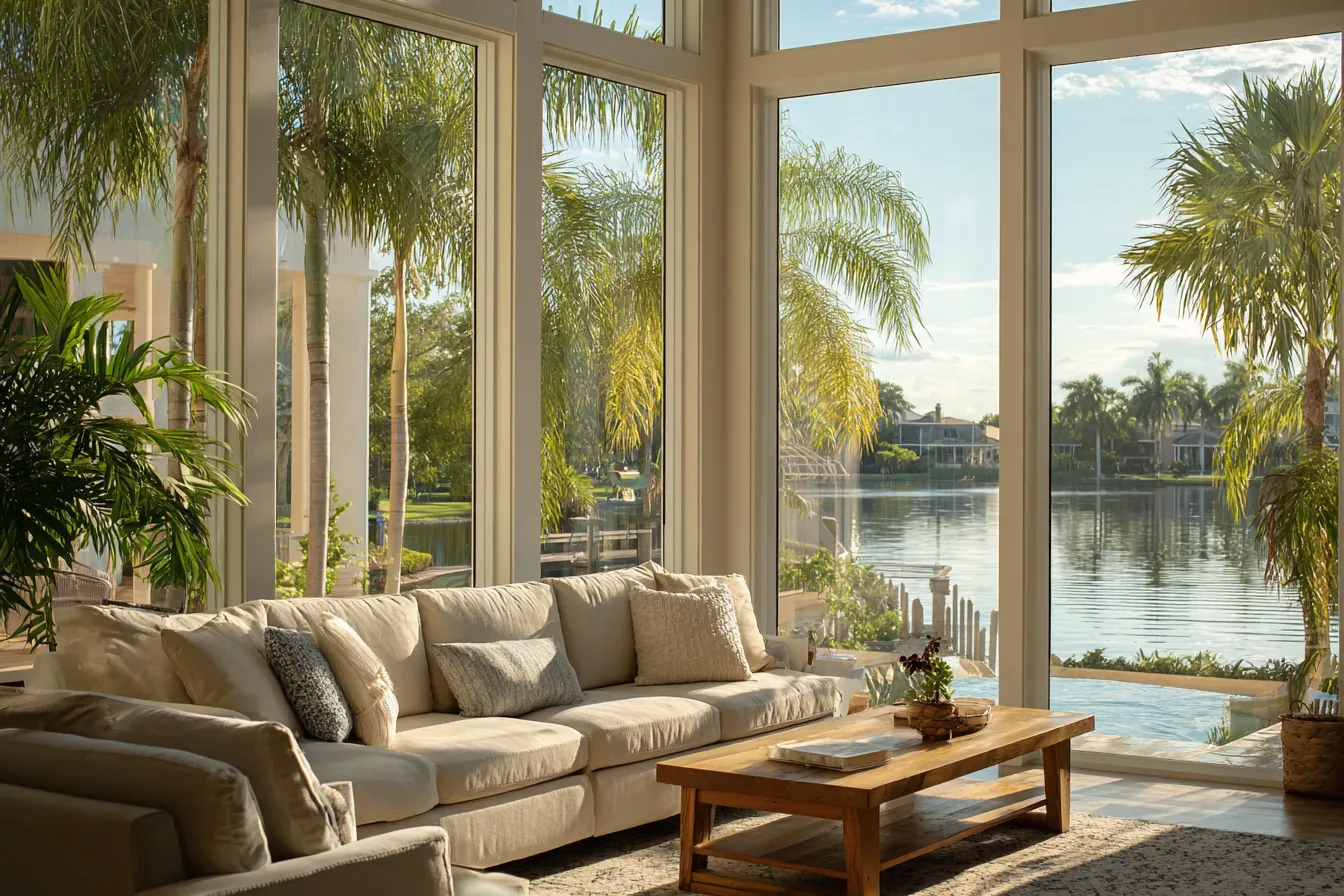
Window tinting SEO in Southwest Florida serves two buyers who want different things: a driver who wants the darkest legal tint and a homeowner who wants a cooler room or a beachfront condo that meets the sea turtle rules. Florida law sets exact numbers for one and building and lighting codes for the other. The shop that explains both clearly is the one people trust with their car or their glass.
 Jamie Kloncz, founder. Does the work himself, from Naples.
★★★★★ 5.0 on GoogleNaples, FloridaMonth to month
In one paragraph
Window tinting SEO is the work of making an automotive tint shop or a residential and commercial window film installer the most credible search and AI answer for drivers, homeowners and condo boards choosing tint, built on Florida's vehicle tint statutes, the energy and building codes, the hurricane-protection advertising law and local sea turtle lighting rules. SEO Elite Agency builds that for tint and film companies across Naples and Southwest Florida, month to month, starting with a free audit.
01 / 10
How Many People Search for Window Tinting in Naples and Fort Myers?
In the Ft. Myers-Naples market, "window tinting" averaged 880 Google searches a month, "car window tinting" 320, "home window tinting" 210, "ceramic window tint" 170, "window film" 110 and "residential window tinting" 40 (Google Keyword Planner, 2026). That is about 1,730 searches a month, the largest cluster among the trades we measured in this round (Google Keyword Planner, 2026).
We read these numbers ourselves in Google Keyword Planner on October 15, 2026, for the Ft. Myers-Naples DMA, covering October 2025 through September 2026.
The split matters. Searches that name the car and searches that name the home are different buyers with different rules, and "home window tinting" carried a top-of-page bid as high as $19.73 (Google Keyword Planner, 2026). A shop that does both should keep them on separate pages, and a shop that does one should say so plainly.
"Ceramic window tint" is a search in its own right at 170 a month (Google Keyword Planner, 2026), which tells you buyers compare film types. A page that explains the film lines you install, with the manufacturers' own specifications, answers that comparison without inventing performance claims.
Tint searches, car and home
Two buyers, measured.
Average searches a month. Google Keyword Planner, Ft. Myers-Naples FL DMA, October 2025 to September 2026, read October 15, 2026.
- “That is about 1,730 searches a month, the largest cluster among the trades we measured in this round”
- “Searches that name the car and searches that name the home are different buyers with different rules”
- “"home window tinting" carried a top-of-page bid as high as $19.73”
02 / 10
How Dark Can You Legally Tint Car Windows in Florida?
Front side windows must let through at least 28 percent of visible light and reflect no more than 25 percent (Florida Statutes section 316.2953, 2026). Windows behind the driver need at least 15 percent on cars and 6 percent on multipurpose passenger vehicles such as SUVs and vans, with no more than 35 percent reflectance (Florida Statutes section 316.2954, 2026).
The front side rule reads: film is allowed if, "when applied to and tested on the glass of such windows on the specific motor vehicle, the material has a total solar reflectance of visible light of not more than 25 percent as measured on the nonfilm side and a light transmittance of at least 28 percent in the visible light range" (Florida Statutes section 316.2953, 2026). Note the words "on the specific motor vehicle" (Florida Statutes section 316.2953, 2026): the number is film and glass together.
A multipurpose passenger vehicle is "a motor vehicle with motive power designed to carry 10 persons or fewer which is constructed either on a truck chassis or with special features for occasional off-road operation" (Florida Statutes section 316.2951, 2026). Rear windows on those vehicles may go to "at least 6 percent in the visible light range," while cars need "at least 15 percent" (Florida Statutes section 316.2954, 2026). On the windshield, only a strip "at the top of the windshield" above the AS-1 line is allowed, and it must be transparent (Florida Statutes section 316.2952, 2026).
Two details help a shop explain itself. "Every percentage measurement required by ss. 316.2951-316.2954 is subject to a tolerance of plus or minus 3 percent" (Florida Statutes section 316.2955, 2026). And "The replacement or repair of any material legally installed is not a violation" (Florida Statutes section 316.2956, 2026). Factory glazing that complies with the federal glazing standard is outside these sections entirely (Florida Statutes section 316.2957, 2026).
A tint law page with these numbers, a diagram of which window is which, and a note on how you meter film on the customer's own glass is the most useful page a Florida tint shop can publish.
03 / 10
What Does Florida Require of a Window Tint Shop?
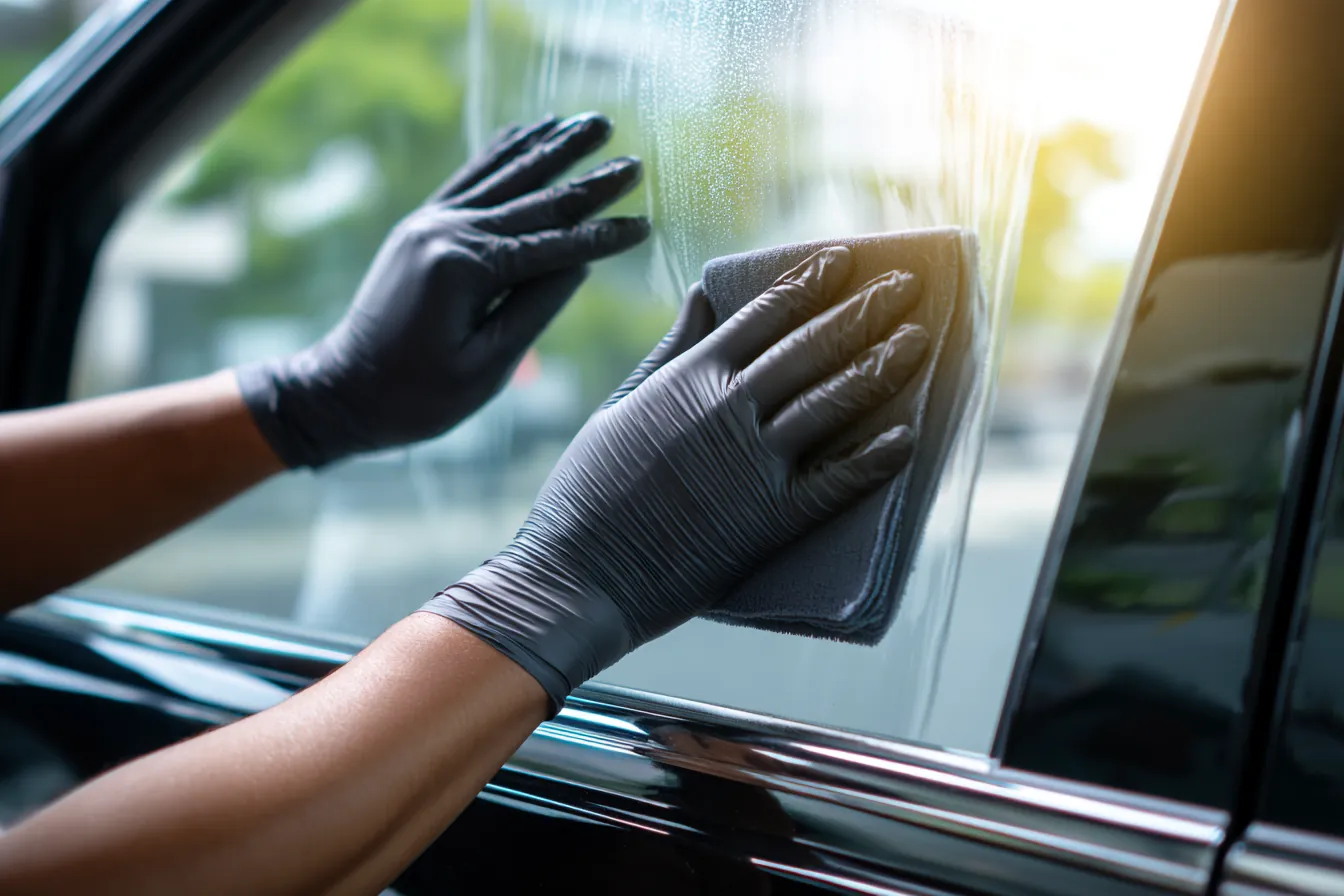
A label and legal film. Each installer must give the buyer a compliance label and "affix the required label to the inside left door jamb of the motor vehicle," naming the film and the shop (Florida Statutes section 316.2955, 2026). A shop that sells or installs illegal tint commits a second-degree misdemeanor, while the driver commits a noncriminal traffic infraction (Florida Statutes section 316.2956, 2026).
The label rule is specific: it must be "a pressure-sensitive, self-destructive, nonremovable, vinyl-type film label" stating that the material complies, and "the label shall state the trade name of the material and the installer's or seller's business name" (Florida Statutes section 316.2955, 2026).
The penalty falls on the shop, not just the driver. "Any person who sells or installs sunscreening material in violation of any provision of ss. 316.2951-316.2955 is guilty of a misdemeanor of the second degree" (Florida Statutes section 316.2956, 2026), punishable "by a definite term of imprisonment not exceeding 60 days" (Florida Statutes section 775.082, 2026) and a fine of up to $500 (Florida Statutes section 775.083, 2026). That section reaches the labeling duty in 316.2955 too.
Enforcement uses meters. "The reading from an approved device is presumed accurate and shall be admissible into evidence" (Florida Statutes section 316.2955, 2026), and the state's type-acceptance rule requires meters to read "within plus or minus three percentage points of reference samples" (Florida Administrative Code Rule 15B-14.002, 1996).
Federal law also reaches repair shops. A "motor vehicle repair business" means a person "holding itself out to the public to repair for compensation a motor vehicle," and may not "knowingly make inoperative any part of a device or element of design installed on or in a motor vehicle" in compliance with a federal safety standard (49 U.S.C. 30122, 2024). The federal glazing standard exists "to ensure a necessary degree of transparency in motor vehicle windows for driver visibility" (Federal Motor Vehicle Safety Standard 205, 2026). We have not read the federal interpretation letters on tint, so we make no claim about a federal threshold.
For marketing, the lesson is simple: show the label, explain the law, and never advertise darker-than-legal tint for road use. A shop that tells customers no is a shop the next customer trusts.
The vehicle tint law, checked
How dark can this glass go?
Pick the vehicle and the glass. Each answer is the page's own wording of Florida law.
We have not read the federal interpretation letters on tint, so we make no claim about a federal threshold.
Does the vehicle have a Florida medical exemption certificate?
Which glass is the film going on?
What kind of vehicle is it?
Front side windows: at least 28 percent of light
“the material has a total solar reflectance of visible light of not more than 25 percent as measured on the nonfilm side and a light transmittance of at least 28 percent in the visible light range”
On a car, at least 15 percent behind the driver
“Windows behind the driver need at least 15 percent on cars and 6 percent on multipurpose passenger vehicles such as SUVs and vans, with no more than 35 percent reflectance”
Multipurpose passenger vehicles may go to 6 percent
“Windows behind the driver need at least 15 percent on cars and 6 percent on multipurpose passenger vehicles such as SUVs and vans, with no more than 35 percent reflectance”
Windshield: only a transparent strip at the top
“On the windshield, only a strip "at the top of the windshield" above the AS-1 line is allowed, and it must be transparent”
The certificate allows darker film
“People with "Lupus, any autoimmune disease, or other medical conditions which require a limited exposure to light" can get a state medical exemption certificate allowing darker film on the windshield, side and rear windows”
04 / 10
Who Qualifies for a Florida Medical Tint Exemption?
People with "Lupus, any autoimmune disease, or other medical conditions which require a limited exposure to light" can get a state medical exemption certificate allowing darker film on the windshield, side and rear windows (Florida Statutes section 316.29545, 2026). The certificate is tied to the vehicle, has no expiration date, and becomes void when the vehicle is sold.
The statute says "A medical exemption certificate shall be nontransferable and shall become null and void upon the sale or transfer of the vehicle identified on the certificate" (Florida Statutes section 316.29545, 2026). The state's form adds that "A medical exemption certificate has no expiration date and is non-transferable," and lists conditions including lupus, dermatomyositis, albinism, total or facial vitiligo and xeroderma pigmentosum (FLHSMV form HSMV 83390, 2025).
The state procedure manual explains two points customers often ask about. The certificate "is always issued to the registered owner of the motor vehicle" (FLHSMV procedure RS-48, 2025), who "may or may not be the person with the medical condition" (FLHSMV procedure RS-48, 2025). For a company vehicle, "the company's owner must give written permission on the company's letterhead" (FLHSMV procedure RS-48, 2025). It also says "The registered motor vehicle owner is responsible for having the sun screening material removed before selling/transferring the vehicle" (FLHSMV procedure RS-48, 2025).
Two other groups are exempt by statute: law enforcement vehicles "used in undercover or canine operations," and vehicles owned or leased by certified process servers and licensed private investigators, from the side, rear and penalty sections (Florida Statutes section 316.29545, 2026).
A medical exemption page that walks a customer through the form, links the state's own document, and explains what you need to see before installing exempt tint answers a question few shops address. Link the form rather than printing a fee; the state's form and manual list slightly different amounts.
05 / 10
Can Window Film Be Sold as Hurricane Protection in Florida?
Only with a Florida product approval. State law says a product "may not be advertised, sold, offered, provided, distributed, or marketed as hurricane, windstorm, or impact protection from wind-borne debris" unless approved, and anyone who does so is subject to the Florida Deceptive and Unfair Trade Practices Act (Florida Statutes section 553.842, 2026).
The code side is just as clear. In wind-borne debris regions, "glazed openings in buildings shall be impact resistant or protected with an impact-resistant covering" meeting named standards, and glazed openings within 30 feet of grade must meet "the large missile test of ASTM E1996" (Florida Building Code Building chapter 16, 2023). Florida's product approval system lists categories including "Impact Protective Systems," with subcategories "Fixed Operable Removable" (Florida Building Commission product approval, 2026).
Condo and HOA law do not name film either. Condo law defines hurricane protection as "hurricane shutters, impact glass, code-compliant windows or doors, and other code-compliant hurricane protection products" (Florida Statutes section 718.103, 2026), and every condo board "must adopt hurricane protection specifications" that "comply with the applicable building code" (Florida Statutes section 718.113, 2026). The HOA list names shutters, impact-resistant windows and doors and other products, but not window film (Florida Statutes section 720.3035, 2026).
So the honest film page sells what film does without borrowing the word hurricane. Security film, solar control and glare reduction are real benefits. If a specific system holds a Florida product approval, show the approval number; if it does not, do not call it impact protection.
06 / 10
Do Beachfront Homes in Southwest Florida Need Tinted Windows?
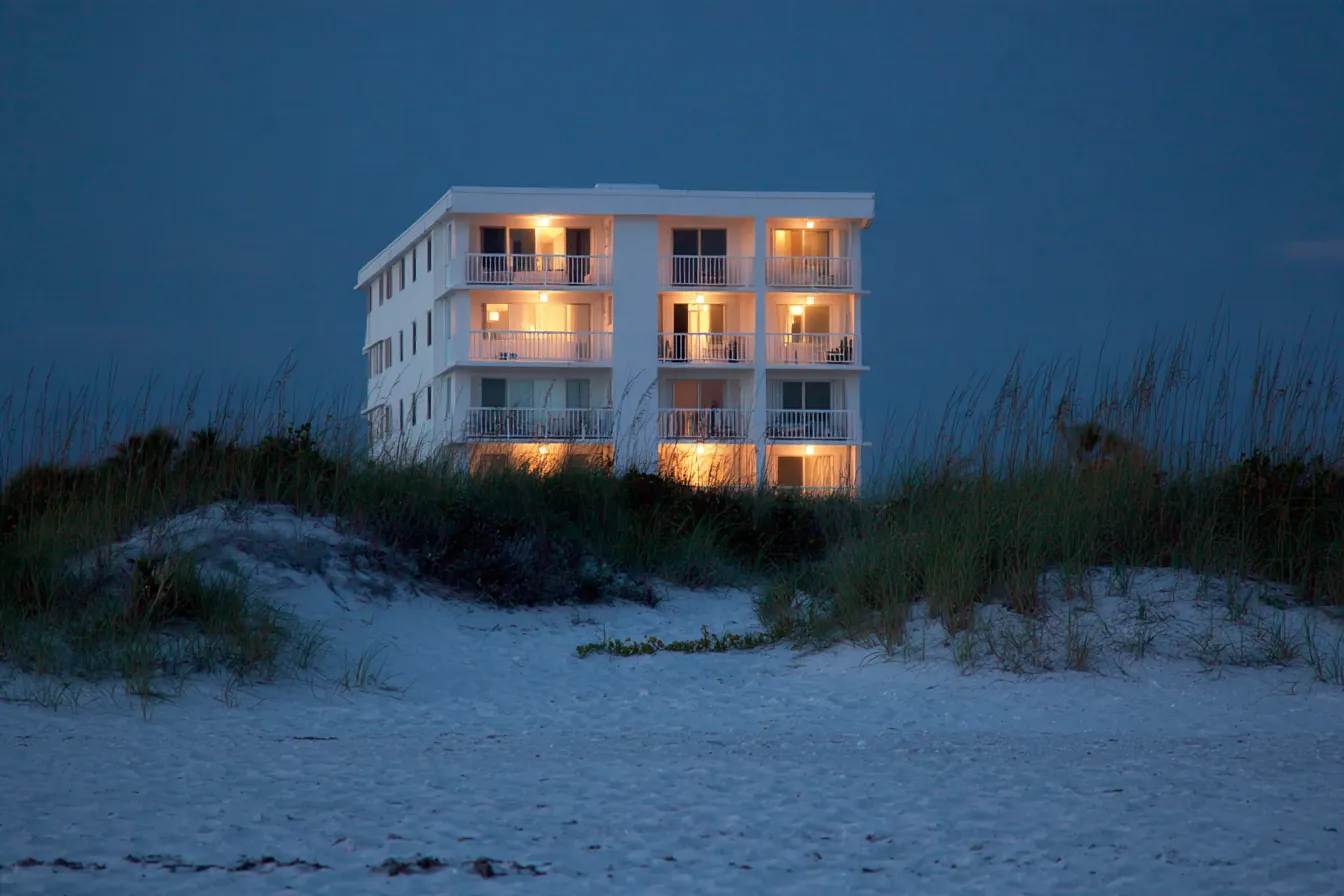
Often, under sea turtle lighting rules. Lee County requires tinted glass or window film with a light transmittance of 45 percent or less on windows and glass doors visible from the beach in new development (Lee County Land Development Code chapter 14, 2026). Naples, Collier County and Bonita Springs have similar 45 percent rules for beach-visible glass (City of Naples Code section 52-61, 2026).
Lee County defines tinted glass as glass "treated to achieve an industry-approved, inside-to-outside light transmittance value of 45 percent or less," and requires that "Tinted glass, or any window film applied to window glass that meets the definition for tinted glass in Section 14-72, must be installed on all windows and glass doors visible from the beach" (Lee County Land Development Code chapter 14, 2026). For existing lighting problems, the county lists "applying window tint film to windows" among appropriate fixes (Lee County Land Development Code chapter 14, 2026).
The City of Naples says "Plates of tinted glass are required for windows that are visible from the beach," with "an industry-approved light transmittance value of 45 percent or less" measured "inside to outside" across 400 to 700 nanometers (City of Naples Code section 52-61, 2026). Collier County requires that "tinted window treatments are required for windows that are visible from the beach" on Gulf-facing windows as one of its measures for existing buildings (Collier County Land Development Code section 3.04.02, 2026).
Bonita Springs is direct: "All glass windows, walls, railings and doors on the seaward and shore-perpendicular sides of any new construction shall use tinted glass or window film applied to glass with an inside to outside light transmittance value of 45 percent or less" (City of Bonita Springs Code section 7-45, 2026).
None of the agency pages we read for this trade mentions these rules. A sea turtle lighting page that explains the tint rule in each jurisdiction, how you measure transmittance inside to outside, and how you document compliance for a condo board or code officer reaches beachfront owners and managers with a real requirement to meet.
Film and tint rules, by place
Same film. Local rules.
01 / 06 · Lee County
“Tinted glass, or any window film applied to window glass that meets the definition for tinted glass in Section 14-72, must be installed on all windows and glass doors visible from the beach”
Every window and glass door visible from the beach gets tinted glass or qualifying film.
02 / 06 · Unincorporated Lee
“Lee County's beach rules reach the islands near Fort Myers in unincorporated areas”
The county rule covers the unincorporated islands near Fort Myers.
03 / 06 · Bonita Springs
“All glass windows, walls, railings and doors on the seaward and shore-perpendicular sides of any new construction shall use tinted glass or window film applied to glass with an inside to outside light transmittance value of 45 percent or less”
New construction uses tinted glass or film on its seaward and shore-perpendicular sides.
04 / 06 · City of Naples
“Plates of tinted glass are required for windows that are visible from the beach”
Beach-visible windows in the city take tinted glass.
05 / 06 · Collier County
“tinted window treatments are required for windows that are visible from the beach”
For existing buildings, tint on beach-visible Gulf-facing windows is one of its measures.
06 / 06 · Cape Coral
“Cape Coral lists window tinting as a local business tax category at $55, which is a tax, not a competency license”
A business tax line for the trade, not a license.
County lines: US Census Bureau.
07 / 10
What Do the Energy Code and Efficiency Rules Say About Window Film?
Florida's energy code treats film on existing single-pane windows as an alteration that "need not comply with the requirements for new construction," provided the building's energy use does not rise (Florida Building Code Energy Conservation chapter 5, 2023). Collier and Lee are in Climate Zone 1A, where new homes need glazed fenestration with a solar heat gain coefficient of 0.25 or lower (Florida Building Code Energy Conservation chapter 4, 2023).
The residential exception covers "Surface-applied window film installed on existing single pane fenestration assemblies to reduce solar heat gain provided the code does not require the glazing or fenestration assembly to be replaced," and the commercial code has a matching exception (Florida Building Code Energy Conservation chapter 5, 2023). The climate table lists "1A Collier*" and "1A Lee*," and "Warm humid counties are identified in Table R301.1 by an asterisk" (Florida Building Code Energy Conservation chapter 3, 2023).
For new homes in Climate Zone 1, the code sets a maximum glazed fenestration SHGC of 0.25 (Florida Building Code Energy Conservation chapter 4, 2023). That is a window rating for new construction, not a film rating, and it is useful context when a homeowner asks how their existing windows compare.
Efficiency claims need care. ENERGY STAR certifies windows, doors and skylights that "Are manufactured by an ENERGY STAR partner" and "Are independently tested, certified, and verified by the National Fenestration Rating Council (NFRC)" (ENERGY STAR windows criteria, 2026). Its criteria page does not mention film. The FTC's R-value rule for products other than insulation excludes "fenestration-related products," which "include windows, doors, and skylights as well as attachments for those products" (FTC R-value rule 16 CFR 460, 2026).
The safe and persuasive approach is to quote the film manufacturer's own tested specifications for each product you install, link the data sheets, and avoid savings percentages you cannot source.
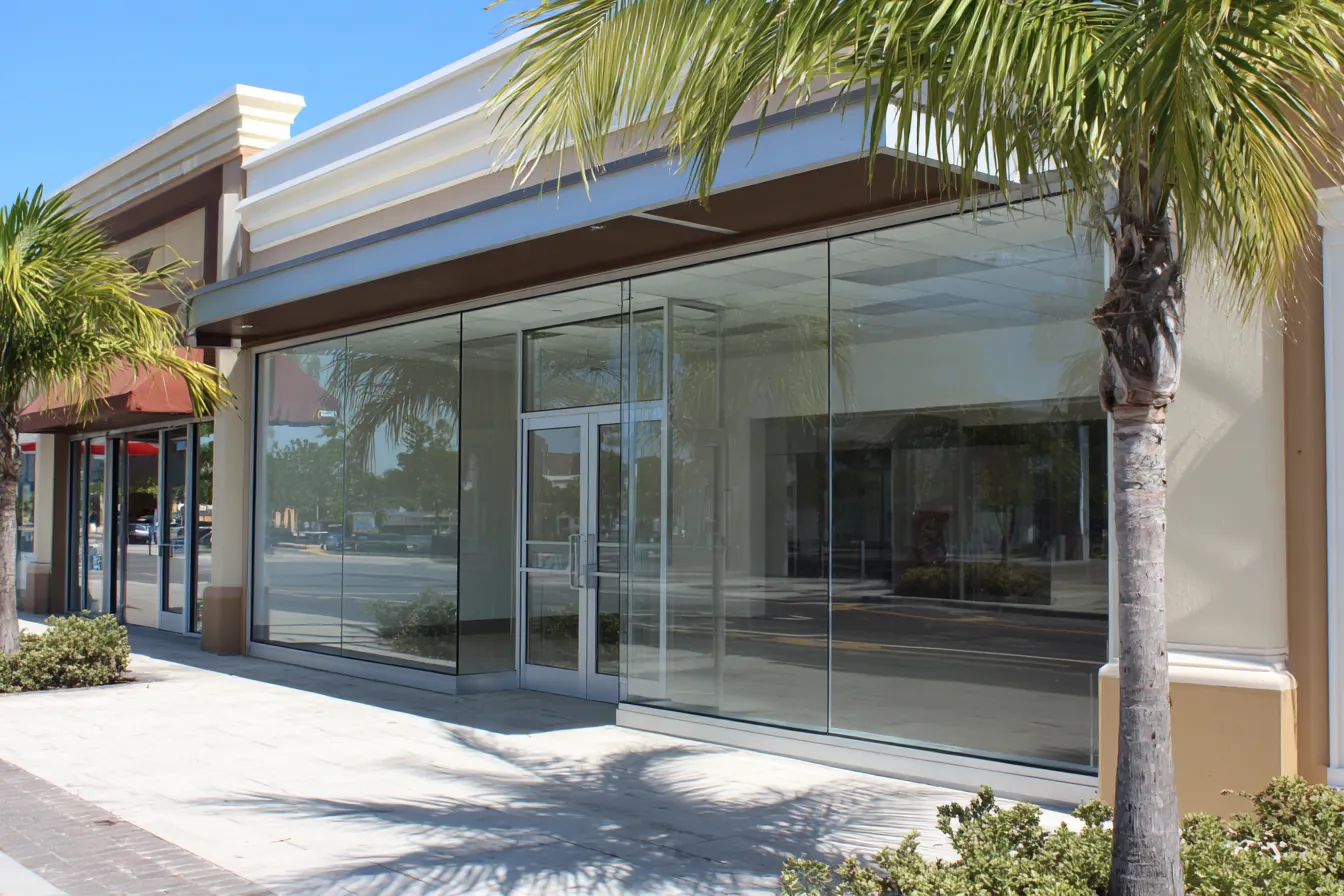
Glare, window by window
The same room, without the glare.
01 / 05 · Existing windows, before film
“That is a window rating for new construction, not a film rating, and it is useful context when a homeowner asks how their existing windows compare.”
02 / 05 · Glare and solar control
“Security film, solar control and glare reduction are real benefits.”
03 / 05 · Tested specifications, not promises
“The safe and persuasive approach is to quote the film manufacturer's own tested specifications for each product you install, link the data sheets, and avoid savings percentages you cannot source.”
04 / 05 · Sold for what it does
“So the honest film page sells what film does without borrowing the word hurricane.”
05 / 05 · Real installs, shown
“Then real installs, with photographs and the film used.”
08 / 10
Do Window Tint and Film Installers Need a License in Florida?
Florida bars local governments from requiring a license for job scopes that do not substantially correspond to a state contractor category (Florida Statutes section 489.117, 2026), and the licensing of occupations is preempted to the state (Florida Statutes section 163.211, 2026). Cape Coral lists window tinting as a local business tax category at $55, which is a tax, not a competency license (City of Cape Coral Code section 11-16, 2026).
The preemption statute is broad: "The licensing of occupations is expressly preempted to the state," and local licenses imposed before 2021 expired "on July 1, 2025" (Florida Statutes section 163.211, 2026). Cape Coral's business tax schedule includes "(757) WINDOW TINTING 55.00" (City of Cape Coral Code section 11-16, 2026).
Whether a particular film job maps to a state contractor category is a legal question we have not settled, so a site should not claim a license it does not hold or say none can ever be required. What it should do is name its insurance, its manufacturer certifications and its warranty terms, which are things a customer can check.
Storefront work has its own rule. "A convenience business shall not have window tinting that reduces exterior or interior view in a normal line of sight" (Florida Statutes section 812.173, 2026), and Collier's code adds that tinting must allow "physical identification of all individuals in the sales transaction area from outside the building" (Collier County Code of Ordinances section 26-253, 2026). A commercial film page should say how you handle those clients.
Reviews matter in this trade, and they must be real. The FTC's rule bans reviews or testimonials that misrepresent "That the reviewer or testimonialist exists" (FTC consumer review rule 16 CFR 465, 2026). Build review volume the honest way.
09 / 10
What Should a Window Tinting Website Prove?
Five things a buyer can check: the Florida tint limits and the door-jamb label for cars, the medical exemption process, the film products and their manufacturer data, the sea turtle 45 percent rules for beachfront glass, and an honest line on hurricane claims (Florida Statutes section 553.842, 2026). Then real installs, with photographs and the film used.
For the automotive side, show the meter reading on the customer's glass, the label you apply, and a plain statement that you install to Florida limits for road use.
For the building side, show the film line, the data sheet, the jurisdiction's sea turtle rule if the home is beachfront, and the condo board approval process. Keep auto and building on separate pages so each buyer finds their answer quickly.
Reviews and the map pack confirm what the pages claim. A complete Business Profile with real photographs and steady reviews from real customers back up what the pages claim.
ChatGPT
How dark can I tint my car windows in Florida?
Front side windows must let through at least 28 percent of light (Florida Statutes section 316.2953, 2026), and rear windows at least 15 percent on cars or 6 percent on SUVs, vans and trucks (Florida Statutes section 316.2954, 2026). Measurements carry a plus or minus 3 percent tolerance (Florida Statutes section 316.2955, 2026), and reflectance limits also apply.
Google AI Mode
Does a tint shop have to put a sticker on my car?
Yes. Florida requires the installer to affix a compliance label to the inside left door jamb, naming the film and the shop (Florida Statutes section 316.2955, 2026). Installing illegal tint is a second-degree misdemeanor for the shop.
Perplexity
Can I get a medical exemption for darker tint?
Florida issues medical exemption certificates for lupus, other autoimmune diseases and conditions that require limited light exposure (Florida Statutes section 316.29545, 2026). The certificate is tied to the vehicle, has no expiration date, and ends when the vehicle is sold.
Gemini
Is window film hurricane protection?
Not unless it holds a Florida product approval. State law bars advertising any product as hurricane or impact protection without approval (Florida Statutes section 553.842, 2026), and the condo and HOA hurricane protection lists do not name window film.
Copilot
Do beachfront homes need tinted windows?
Often, under sea turtle lighting rules. Lee County, Naples, Collier County and Bonita Springs require tinted glass or film at 45 percent light transmittance or less on beach-visible glass in many cases (Lee County Land Development Code chapter 14, 2026).
The answer an engine can quote is the one on your page. These answers are this page’s own.
Tint questions asked of AI
How dark, which sticker, which exemption.
01 / 05 · Asked in ChatGPT
“How dark can I tint my car windows in Florida?”
Reads fromOpenAI’s own search crawler, OAI-SearchBot. OpenAI says it is the bot used to surface websites in ChatGPT’s search answers.
02 / 05 · Asked in Google AI Mode
“Does a tint shop have to put a sticker on my car?”
Reads fromThe Google Search index, plus your Google Business Profile.
03 / 05 · Asked in Perplexity
“Can I get a medical exemption for darker tint?”
Reads fromIts own index, built by PerplexityBot.
04 / 05 · Asked in Gemini
“Is window film hurricane protection?”
Reads fromGoogle’s index, with one extra switch: Google-Extended.
05 / 05 · Asked in Copilot
“Do beachfront homes need tinted windows?”
Reads fromThe Bing index.
10 / 10
What to Build First: Window Tinting SEO in Naples and Fort Myers
Start with the Florida tint law page and the label page. Then the medical exemption page, the residential and commercial film page, the sea turtle lighting page for beachfront glass, and an honest page on hurricane claims. Then local pages for each place you work and project pages with real photographs.
A concrete order of work for a Southwest Florida tint and film company.
First
the tint law page with the front, rear and multipurpose vehicle limits explained.
Second
the label and compliance page.
Third
the medical exemption page.
Fourth
residential and commercial film, with manufacturer data.
Fifth
the sea turtle lighting page.
Sixth
the hurricane claims page.
Then
the places. Naples requires tinted glass on beach-visible windows, as does Bonita Springs for new construction. Cape Coral lists window tinting as its own business tax category, and Lee County's beach rules reach the islands near Fort Myers in unincorporated areas. Each page should quote its own rule.
Then
the project pages: car tint by vehicle type, homes, condos and storefronts, each with photographs and the film used. If you also install shutters or impact glass, the hurricane shutter and impact window guides cover those trades.
If you would rather have this built and maintained than written between installs, that is what we do, month to month, from Naples.
Estimate it
What might SEO cost and take for you?
Three questions, an honest range. This uses real Southwest Florida market rates and observed timelines, not a canned package price. It is an estimate to orient you, never a quote. The real number comes from a free audit of your actual site.
1 · HOW COMPETITIVE IS YOUR MARKET?
2 · WHERE IS YOUR SITE TODAY?
3 · WHAT ARE YOU AFTER?
ILLUSTRATIVE ESTIMATE
TYPICAL MONTHLY INVESTMENT
$1,700 – $3,100
/ month · month-to-month
TIME TO MEANINGFUL RESULTS
3 – 6 months
map pack movement, then attributed leads
Estimate from Southwest Florida market rates. Not a quote. Your audit sets the actual scope and price.
Watch it work
Turn on what makes AI recommend you.
AI recommends the businesses it can read, trust and quote. Flip on the four signals we engineer, and watch your visibility climb and the answer rewrite itself.
THE FOUR SIGNALS WE ENGINEER
Illustrative · the four signals are the real system we build
Questions
What automotive window tint shops and residential and commercial window film installers ask us first.
Jamie Kloncz · SEO Elite Agency, Naples
Front side windows must let through at least 28 percent of light (Florida Statutes section 316.2953, 2026), and rear windows at least 15 percent on cars or 6 percent on SUVs, vans and trucks (Florida Statutes section 316.2954, 2026). Measurements carry a plus or minus 3 percent tolerance (Florida Statutes section 316.2955, 2026), and reflectance limits also apply.
Jamie Kloncz · SEO Elite Agency, Naples
Yes. Florida requires the installer to affix a compliance label to the inside left door jamb, naming the film and the shop (Florida Statutes section 316.2955, 2026). Installing illegal tint is a second-degree misdemeanor for the shop.
Jamie Kloncz · SEO Elite Agency, Naples
Florida issues medical exemption certificates for lupus, other autoimmune diseases and conditions that require limited light exposure (Florida Statutes section 316.29545, 2026). The certificate is tied to the vehicle, has no expiration date, and ends when the vehicle is sold.
Jamie Kloncz · SEO Elite Agency, Naples
Not unless it holds a Florida product approval. State law bars advertising any product as hurricane or impact protection without approval (Florida Statutes section 553.842, 2026), and the condo and HOA hurricane protection lists do not name window film.
Jamie Kloncz · SEO Elite Agency, Naples
Often, under sea turtle lighting rules. Lee County, Naples, Collier County and Bonita Springs require tinted glass or film at 45 percent light transmittance or less on beach-visible glass in many cases (Lee County Land Development Code chapter 14, 2026).
Jamie Kloncz · SEO Elite Agency, Naples
No. SEO Elite Agency works month-to-month from our Naples office at 1950 Mayfair Street, Suite 313. Long contracts protect agencies from their own results, and we would rather earn the next month. Reach us at (843) 955-7727 or [email protected].
Sources
- Google Keyword Planner: Ft. Myers-Naples FL DMA, October 2025 to September 2026, read by SEO Elite Agency October 15 2026 - window tinting 880, car window tinting 320, home window tinting 210 (bid to $19.73), ceramic window tint 170, window film 110, residential window tinting 40
- Florida Statutes section 316.2953: 2026 edition, read October 15 2026 - front side windows at least 28 percent transmittance, no more than 25 percent reflectance
- Florida Statutes section 316.2954: 2026 edition, read October 15 2026 - rear windows at least 15 percent (cars) or 6 percent (multipurpose passenger vehicles), no more than 35 percent reflectance
- Florida Statutes section 316.2951: 2026 edition, read October 15 2026 - definitions including multipurpose passenger vehicle
- Florida Statutes section 316.2952: 2026 edition, read October 15 2026 - windshield strip above the AS-1 line
- Florida Statutes section 316.2955: 2026 edition, read October 15 2026 - installer label on the inside left door jamb; plus or minus 3 percent tolerance; meter readings presumed accurate
- Florida Statutes section 316.2956: 2026 edition, read October 15 2026 - driver noncriminal infraction; replacement of legal material not a violation; second-degree misdemeanor for selling or installing illegal tint
- Florida Statutes section 316.2957: 2026 edition, read October 15 2026 - factory tinting compliant with FMVSS 205 outside the tint sections
- Florida Statutes section 775.082: 2026 edition, read October 15 2026 - second-degree misdemeanor up to 60 days
- Florida Statutes section 775.083: 2026 edition, read October 15 2026 - second-degree misdemeanor fine up to $500
- Florida Administrative Code Rule 15B-14.002: tint meter type acceptance (effective January 2 1996), read October 15 2026 - accuracy within plus or minus three percentage points
- 49 U.S.C. 30122: make inoperative prohibition, United States Code 2024 Edition (govinfo), read October 15 2026 - motor vehicle repair business may not make a federally required safety element inoperative
- Federal Motor Vehicle Safety Standard 205: 49 CFR 571.205 glazing materials (eCFR as of October 14 2026), read October 15 2026 - purpose of ensuring transparency for driver visibility
- Florida Statutes section 316.29545: 2026 edition, read October 15 2026 - medical exemption certificates; nontransferable; law enforcement, process server and private investigator exemptions
- FLHSMV form HSMV 83390: Application for Sunscreening Medical Exemption (Rev. 07/25), read October 15 2026 - listed conditions; no expiration date
- FLHSMV procedure RS-48: Sunscreening Medical Exemption Certificate (revision date May 2025), read October 15 2026 - issued to the registered owner; company vehicle letterhead permission; removal before sale
- Florida Statutes section 553.842: 2026 edition, read October 15 2026 - no marketing as hurricane or impact protection without product approval; FDUTPA
- Florida Building Code Building chapter 16: 2023 (8th Edition) section 1609.1.2, read October 15 2026 - impact-resistant glazing or coverings in wind-borne debris regions; large missile test within 30 feet of grade
- Florida Building Commission product approval: product approval search categories, read October 15 2026 - Impact Protective Systems subcategories Fixed, Operable, Removable
- Florida Statutes section 718.103: 2026 edition, read October 15 2026 - condo definition of hurricane protection
- Florida Statutes section 718.113: 2026 edition, read October 15 2026 - condo boards must adopt hurricane protection specifications complying with the building code
- Florida Statutes section 720.3035: 2026 edition, read October 15 2026 - HOA hurricane protection list
- Lee County Land Development Code chapter 14: sea turtle lighting sections 14-72, 14-76 and 14-79 (Municode Supplement 3 Update 3, 2026), read October 15 2026 - tinted glass at 45 percent or less; film on beach-visible windows of new development; tint film as a fix for existing lighting
- City of Naples Code section 52-61: marine turtle protection regulations (Municode Supplement 74, 2026), read October 15 2026 - tinted glass at 45 percent or less on beach-visible windows
- Collier County Land Development Code section 3.04.02: species specific requirements (Municode Supplement 34, 2026), read October 15 2026 - tinted window treatments on beach-visible Gulf-facing windows; 45 percent
- City of Bonita Springs Code section 7-45: sea turtle lighting (Municode Supplement 13 Update 1, 2026), read October 15 2026 - tinted glass or film at 45 percent or less on seaward sides of new construction
- Florida Building Code Energy Conservation chapter 5: 2023 (8th Edition) sections R503.1.1 and C503.1, read October 15 2026 - surface-applied film on existing single-pane glass need not meet new-construction rules
- Florida Building Code Energy Conservation chapter 3: 2023 (8th Edition) Table R301.1, read October 15 2026 - Collier and Lee in Climate Zone 1A, warm humid
- Florida Building Code Energy Conservation chapter 4: 2023 (8th Edition) Table R402.1.2, read October 15 2026 - Climate Zone 1 glazed fenestration SHGC 0.25 maximum
- ENERGY STAR windows criteria: Residential Windows, Doors and Skylights Key Product Criteria, read October 15 2026 - partner manufacturers; NFRC certification
- FTC R-value rule 16 CFR 460: labeling and advertising of home insulation (eCFR as of October 14 2026), read October 15 2026 - fenestration-related products and attachments excluded from the non-insulation section
- Florida Statutes section 489.117: 2026 edition, read October 15 2026 - local governments may not license job scopes outside state contractor categories
- Florida Statutes section 163.211: 2026 edition, read October 15 2026 - occupational licensing preempted to the state; pre-2021 local licenses expired July 1 2025
- City of Cape Coral Code section 11-16: schedule of business taxes (Municode Supplement 38, 2026), read October 15 2026 - window tinting $55
- Florida Statutes section 812.173: 2026 edition, read October 15 2026 - convenience business window tinting may not reduce the line of sight
- Collier County Code of Ordinances section 26-253: convenience business security (Municode Supplement 127, 2026), read October 15 2026 - tinting must allow identification from outside
- FTC consumer review rule 16 CFR 465: use of consumer reviews and testimonials (eCFR as of October 14 2026), read October 15 2026 - fake reviews and testimonials prohibited
Keep reading
Written by Jamie Kloncz, founderSEO Elite Agency, Naples FL. Last updated .
Start with the audit.
About 60 seconds, no email, and you get named findings for your own site, not a score out of a hundred.