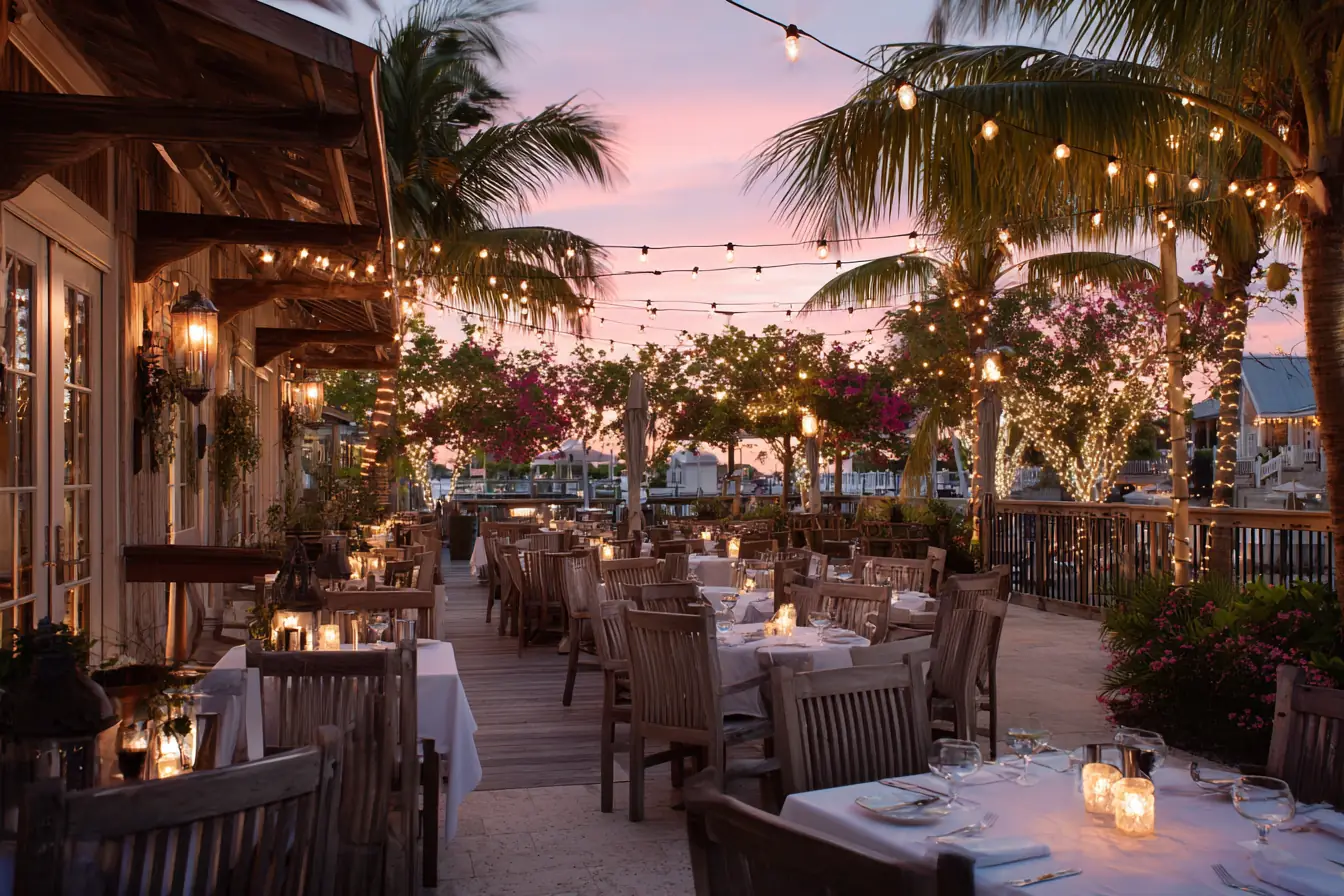
NAPLES, FL · RESTAURANT SEO
Restaurant SEO that wins the hungry phone
A hungry person on a phone decides where to eat in minutes, often a few blocks from your door. They are not reading your blog. They are scanning a map, a photo grid, a star rating and a menu, and one restaurant gets the table. Restaurant SEO is the work of making that restaurant yours, and it looks almost nothing like SEO for a law firm or a plumber.
 Jamie Kloncz, founder. Does the work himself, from Naples.
★★★★★ 5.0 on GoogleNaples, FloridaMonth to month
In one paragraph
SEO Elite Agency provides restaurant SEO for restaurants across Naples and Southwest Florida as part of our Naples SEO services: Google Business Profile and Google Maps optimization, menu visibility and structured menu data, photo and review management, reservation and online-ordering integration, Restaurant and Menu schema, and GEO for AI search. We are based in Naples, Florida, work month-to-month with no long-term contracts, and start every engagement with a free visibility audit.
01 / 09
Is restaurant SEO really about your website, or your Google presence?
For most restaurants, mainly your Google presence. The Google Business Profile, the Maps pin, your photos, your menu and your star rating decide far more covers than a homepage or a blog ever will. A diner rarely reaches your site before choosing you. So restaurant SEO is local presence, menu and entity clarity, and reputation, not churning articles.
This is the honest reframe that separates restaurant SEO from every other vertical we work in. A diner glances at a map while a friend asks where to eat, and the decision is made before anyone loads a website. The surfaces that win that glance belong to Google, Apple, Yelp and the delivery apps, which is why our local SEO services and Google Business Profile optimization carry the campaign for a restaurant rather than a content calendar.
That does not make your website worthless. It hosts your menu, your reservation link, your ordering flow and the schema that tells search and AI systems what you are. But its job is to feed the profile, not to carry the campaign. A restaurant pouring its budget into blog posts while its Google photos are three years old and half its menu is missing has the priorities backward.
So we start where the covers come from: a complete, accurate Google Business Profile, a current menu, fresh photography, and a real review cadence. That is unglamorous, and it is the work that fills tables. Anyone selling a twelve-article calendar as the core of restaurant SEO is selling the wrong product.
What actually fills the tables
The glance before the website.
01 / 05 · Before the website
“A diner glances at a map while a friend asks where to eat, and the decision is made before anyone loads a website.”
02 / 05 · Where the covers come from
“a complete, accurate Google Business Profile, a current menu, fresh photography, and a real review cadence”
03 / 05 · Backward priorities
“A restaurant pouring its budget into blog posts while its Google photos are three years old and half its menu is missing has the priorities backward.”
04 / 05 · Unglamorous work
“That is unglamorous, and it is the work that fills tables.”
05 / 05 · Feed the profile
“But its job is to feed the profile, not to carry the campaign.”
On the profile
The pin
the Maps pin
On the profile
Photos
your photos
On the profile
Menu
your menu
On the profile
Rating
your star rating
Your Google presence
Diagram. The surfaces as this section names them.
02 / 09
How do people actually search for a restaurant near them?
On a phone, with intent to eat soon, usually by cuisine plus neighborhood or by "near me." Google reported that "food near me" grew 99% year over year and "food near me open now" grew 875% (Search Engine Land, 2025). These searches convert in minutes, so being open, close, and clearly the answer matters more than ranking for a broad term.
The query pattern is specific to food. People search "italian restaurant naples fl," "best sushi near me," "restaurants open now near me," and "brunch old naples," braiding cuisine, occasion, neighborhood and time together. The growth of "food near me open now" (Search Engine Land, 2025) tells you the buyer is hungry, mobile and deciding on the spot, a different job than ranking a page someone reads at a desk.
Because of that, three things Google already knows do most of the work: how close you are, whether your hours say you are open right now, and whether your category and menu match what they typed. You cannot move your restaurant, but you can keep your hours exact, set holiday hours, get your category right, and name the dishes people search for.
This is also why a broad head term like "restaurants in Naples" is the wrong obsession. The person typing "tacos near me open now" is about to spend money, and they spend it at whichever nearby restaurant looks open, well-reviewed and appetizing.
The mechanics of winning that near-me moment, profile field by profile field, are in our guide to how local restaurants fill tables through the map pack.
The hungry phone
Open, close, clearly the answer.
01 / 04 · Cuisine
“People search "italian restaurant naples fl," "best sushi near me," "restaurants open now near me," and "brunch old naples," braiding cuisine, occasion, neighborhood and time together.”
“The query pattern is specific to food.”
02 / 04 · Open now
“The person typing "tacos near me open now" is about to spend money, and they spend it at whichever nearby restaurant looks open, well-reviewed and appetizing.”
“You cannot move your restaurant, but you can keep your hours exact, set holiday hours, get your category right, and name the dishes people search for.”
03 / 04 · AI
“the restaurant these engines lean on for "best Italian in Naples" earns visibility competitors have not started chasing”
“your reviews are read by the machine before the human sees them”
04 / 04 · Minutes
“These searches convert in minutes, so being open, close, and clearly the answer matters more than ranking for a broad term.”
“the buyer is hungry, mobile and deciding on the spot”
04 / 09
How much do reviews and photos matter for a restaurant?
Enormously, and more than almost any other factor you control. Reviews account for roughly 20% of local pack weight (Whitespark, 2026), and 97% of consumers read reviews for local businesses while 74% want reviews from the last three months (BrightLocal, 2026). For restaurants, recent reviews and fresh, appetizing photos are the difference between a filled table and a scroll-past.
Recency is the part restaurants underrate. A wall of five-star reviews from two years ago reads as a place that used to be good; 74% of consumers want reviews from the last three months and 32% now want them from the last two weeks (BrightLocal, 2026). A steady flow of recent reviews signals a restaurant that is busy and consistent right now, and review velocity now carries more weight than a large but stale total (Whitespark, 2026).
Responses matter as much as ratings. 89% of consumers expect owners to respond to reviews and 80% prefer a business that answers all of them (BrightLocal, 2026), so a manager who thanks a happy diner and calmly addresses a complaint is not doing service theater; that visible responsiveness is a ranking and trust signal, so we build a response cadence that is real, never a template, never defensive.
One hard line runs under all of it: the reviews have to be real. The FTC ban on fake and incentivized reviews (16 CFR Part 465, effective October 21 2024) carries civil penalties up to $53,088 per violation (FTC, 2025), and restaurants sit squarely in the fake-review culture it targets. We never buy, invent, gate or solicit incentivized reviews; we earn recent ones from real diners, because a penalty or a Google suspension costs far more than the reviews were worth.
Photos are the restaurant-specific multiplier, and the photo grid on your profile is often the most persuasive thing about you. Fresh, well-lit images of actual dishes, the room and the exterior, updated as the menu and season change, do more to win a scan than any paragraph of copy. Customer photo reviews compound this, so we build simple ways to earn them.
The photo grid, set for service
A filled table, or a scroll-past.
01 / 04 · Used to be good
“A wall of five-star reviews from two years ago reads as a place that used to be good”
02 / 04 · Busy right now
“A steady flow of recent reviews signals a restaurant that is busy and consistent right now”
03 / 04 · Actual dishes
“Fresh, well-lit images of actual dishes, the room and the exterior, updated as the menu and season change, do more to win a scan than any paragraph of copy.”
04 / 04 · The multiplier
“Photos are the restaurant-specific multiplier, and the photo grid on your profile is often the most persuasive thing about you.”
05 / 09
Should you push delivery-app orders or your own direct ordering?
Both have a place, but the economics favor direct orders hard. Without local fee caps, third-party delivery platforms take about a 30% commission on average (Restaurant Dive, 2021). Every order you move from an app to your own site or phone keeps that margin. Restaurant SEO should make your direct ordering and reservation links the easiest path a hungry searcher finds.
The delivery apps are real discovery channels. Plenty of diners search inside DoorDash, Uber Eats or Grubhub the way they search Google. But that reach is rented at a punishing rate: without the fee caps several cities passed, platforms take roughly 30% of the ticket on average, which is why New York capped delivery commissions at 15% plus a 5% ceiling on other fees (Restaurant Dive, 2021). On thin restaurant margins, a cut that size can turn a profitable order into a break-even one.
So the goal is not to abandon the apps but to make the direct path win when the customer is already choosing you. When someone searches your restaurant by name or lands on your Google Business Profile, the order-online and reserve buttons should point to your own commission-free channel first, not funnel a customer who already knows you into a high-commission marketplace.
That is an SEO and profile problem as much as a menu one. It means configuring the ordering links on your profile, keeping your own ordering page fast and crawlable, and structuring your site so "order [restaurant name] online" lands on your channel. Winning your branded searches back from the aggregators is one of the highest-return moves a restaurant can make.
What the apps keep
Reach, rented by the order.
Share of the order ticket. undefined
- “On thin restaurant margins, a cut that size can turn a profitable order into a break-even one.”
- “Every order you move from an app to your own site or phone keeps that margin.”
06 / 09
How do reservations and online ordering fit into restaurant SEO?
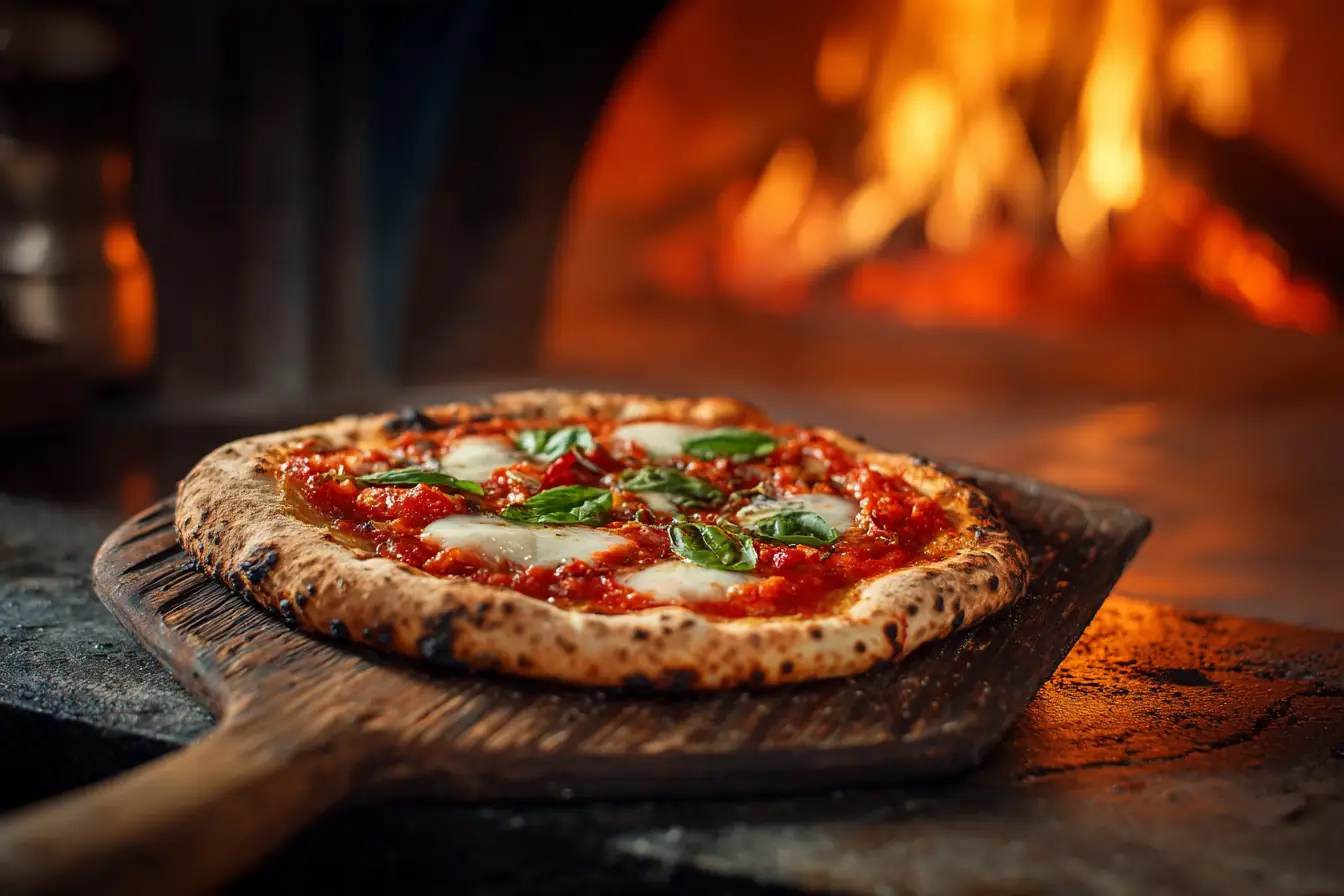
They are conversion points that also feed your visibility. Reservation platforms like OpenTable and Resy, and ordering integrations, connect to your Google Business Profile so a diner can book or order directly from search or Maps. The SEO job is making those links present, correct, and pointing to channels that cost you the least.
A diner who has decided on you should never hit a dead end. Google Business Profile supports reservation and order-online actions right in your listing, and when those buttons are wired to OpenTable, Resy or your own ordering flow, a hungry searcher completes the booking without leaving the surface where they found you. A broken link there loses a customer who was ready.
The integrations also strengthen the profile itself. A "Reserve a table" button, accurate availability signals and a working ordering link add completeness Google rewards with more prominent placement, while an incomplete profile that forces a diner to hunt for a phone number competes poorly against a neighbor who lets them book in one tap.
We audit where every one of these links currently points, because we routinely find restaurants funneling their own name-searchers into a high-commission app by default. Getting these plumbed correctly changes both how visible you are and how much of each order you keep.
Where the order goes
Keep the diner who chose you.
01 / 04 · Already choosing you
“the goal is not to abandon the apps but to make the direct path win when the customer is already choosing you”
02 / 04 · Never a dead end
“A diner who has decided on you should never hit a dead end.”
03 / 04 · Funneled by default
“we routinely find restaurants funneling their own name-searchers into a high-commission app by default”
04 / 04 · Branded searches back
“Winning your branded searches back from the aggregators is one of the highest-return moves a restaurant can make.”
07 / 09
What schema and technical setup does a restaurant website need?
Restaurant and FoodEstablishment schema for the business, Menu and MenuItem schema for the food, and accurate hours, address, price range and geo data, all in server-rendered HTML. This entity markup is how search and AI systems know precisely what you are, where you are, what you serve, and whether you are open, which is exactly what "restaurants open now near me" resolves against.
The foundation is Restaurant or FoodEstablishment schema stating your cuisine, address, phone, price range, accepted payments and opening hours. This is the entity clarity that map-pack relevance and AI citation both depend on, and its absence leaves a search engine guessing toward the competitor whose details are unambiguous. Opening-hours markup deserves special care, because so much winning restaurant traffic is "open now" traffic.
On top of that sits the menu markup, structured as Menu, MenuSection and MenuItem so each dish, description and price is a machine-readable entity, plus Review and AggregateRating schema where appropriate, and geo-coordinates that pin you on the map. None of this manufactures quality, but it removes the ambiguity that makes a search or AI system hedge and name someone else.
Underneath all of it, the site has to be fast and crawlable on a phone. Restaurant sites are among the worst offenders for heavy image sliders, autoplay video and script-injected menus that stall on mobile data, precisely the connection a walking, hungry searcher is using. We hold the technical bar where the buyer actually is: a mid-range phone on cellular, not a laptop on office wifi.
08 / 09
How does Naples seasonality change a restaurant's SEO calendar?
Dramatically. Naples fills with seasonal residents and tourists from roughly November through April and empties out over the slow summer, so demand, competition and search intent all swing hard with the calendar. Restaurant content, promotions, hours and reservation availability should follow that cycle, because effort spent chasing summer diners the way you chase snowbird season is largely wasted.
The snowbird cycle is the defining fact of Southwest Florida hospitality. From late fall through spring, part-time residents and tourists pack Fifth Avenue South, Third Street South, Mercato and the beach restaurants, and searches for reservations, cuisines and "restaurants near me" surge. Through summer much of that audience leaves, some restaurants cut hours, and the competitive picture changes completely.
Practically, that means front-loading the work that captures season before it arrives. Your profile, menu, photos and reservation availability should be pristine heading into November, and seasonal promotions like happy hours, off-season specials and holiday hours published on the cadence the market runs on.
Summer is not dead time; it is different time. Local-resident promotions, value messaging and the searches of the year-round community carry a Naples restaurant through the slow months, and a restaurant that only optimizes for peak season leaves it on the table. We plan the calendar around the two-season reality.
The Naples restaurant year
Two seasons, one calendar.
01 / 04 · Season arrives
“Your profile, menu, photos and reservation availability should be pristine heading into November”
02 / 04 · Through April
“Naples fills with seasonal residents and tourists from roughly November through April and empties out over the slow summer”
04 / 04 · Wasted effort
“effort spent chasing summer diners the way you chase snowbird season is largely wasted”
“We plan the calendar around the two-season reality.”
09 / 09
How do AI engines answer "best Italian restaurant in Naples" and "restaurants open now near me"?
They synthesize an answer from sources they can read, verify and quote, then name a short list. Roughly 45% of consumers now use AI to find a local business, up from 6% a year earlier (BrightLocal, 2026). If ChatGPT, Perplexity or Google AI Overviews names another restaurant when a diner asks, you have lost the table before any map ever loads.
This is the fastest-moving gap in the market. Only about 1.2% of businesses are recommended by ChatGPT, against 35.9% appearing in Google's local pack (SOCi, 2026), so the restaurant these engines lean on for "best Italian in Naples" earns visibility competitors have not started chasing. And 82% of consumers now read AI-generated review summaries (BrightLocal, 2026), so your reviews are read by the machine before the human sees them.
AI engines are entity-based: they need the schema, the consistent profiles and the readable menu to know who you are and what you serve. They also lean on indexes restaurants ignore, since more than 87% of SearchGPT citations match Bing's top organic results (Seer Interactive, 2025), so an unclaimed Bing Places listing can make you invisible in ChatGPT Search regardless of your Google standing.
Trust is the tiebreaker, and for restaurants it is largely reputational. Branded web mentions correlate with AI visibility at roughly 0.66 to 0.71 (Ahrefs, 2025), so being talked about across local food coverage and review platforms does more than a pile of thin backlinks. The fresh reviews, current photos and accurate, machine-readable menu are the evidence an AI engine uses to decide whether to say your name.
ChatGPT
Do you write blog posts for restaurants?
Rarely as the core of the work. For most restaurants, the Google Business Profile, menu, photos and reviews drive far more covers than articles do, so that is where your budget should go first. Where content genuinely helps, on menu, events, seasonal and neighborhood pages, we build it. What we will not do is sell you a twelve-article calendar and call it restaurant SEO.
Google AI Mode
Should my restaurant even have a website if Google and the apps do everything?
Yes. Your website hosts the menu as real text, your reservation and direct-ordering links, and the schema that tells search and AI systems what you are, and it is the one channel you fully own and pay no commission on. Its job is to feed your Google presence, not to carry the campaign alone.
Perplexity
Can you help me get more direct orders instead of paying delivery-app commissions?
That is one of the highest-return goals we pursue. Without local fee caps, third-party platforms take about a 30% commission on average (Restaurant Dive, 2021). We make sure your Google Business Profile, branded searches and site point diners who already know you toward your own commission-free ordering and reservation channels first, rather than funneling them into a marketplace cut.
Gemini
Why is my menu not showing up when people search for a dish I serve?
Usually because your menu is a PDF or an image rather than real, crawlable text, and has no Menu schema. Search engines and AI crawlers read text, not pictures of text, so they cannot connect a dish search to your restaurant. We rebuild the menu as marked-up HTML on your site and in your Google Business Profile so specific items can actually surface.
Copilot
How important are photos and reviews compared to everything else?
For restaurants they are close to decisive. Reviews are roughly 20% of local pack weight (Whitespark, 2026), 97% of consumers read them and 74% want reviews from the last three months (BrightLocal, 2026), and appetizing, current photos often win the two-second scan on their own. We build a genuine, recent review cadence and keep your photography fresh as the menu and season change. We never buy or fabricate reviews, which the FTC now penalizes at up to $53,088 per violation (FTC, 2025).
Claude
Does Naples seasonality really change what you do?
Yes, more than in almost any market. Naples fills with seasonal residents and tourists from roughly November through April and slows over the summer, so we front-load profile, menu, photo and reservation work before peak season and shift to local-resident and value messaging through the slow months. Effort timed to the wrong season is largely wasted here.
The answer an engine can quote is the one on your page. These answers are this page’s own.
Restaurant questions, asked of AI
Menus, apps, the season.
01 / 06 · Asked in ChatGPT
“Do you write blog posts for restaurants?”
Reads fromOpenAI’s own search crawler, OAI-SearchBot. OpenAI says it is the bot used to surface websites in ChatGPT’s search answers.
02 / 06 · Asked in Google AI Mode
“Should my restaurant even have a website if Google and the apps do everything?”
Reads fromThe Google Search index, plus your Google Business Profile.
03 / 06 · Asked in Perplexity
“Can you help me get more direct orders instead of paying delivery-app commissions?”
Reads fromIts own index, built by PerplexityBot.
04 / 06 · Asked in Gemini
“Why is my menu not showing up when people search for a dish I serve?”
Reads fromGoogle’s index, with one extra switch: Google-Extended.
05 / 06 · Asked in Copilot
“How important are photos and reviews compared to everything else?”
Reads fromThe Bing index.
06 / 06 · Asked in Claude
“Does Naples seasonality really change what you do?”
Reads fromAnthropic’s Claude-SearchBot, and Brave Search.
Estimate it
What might SEO cost and take for you?
Three questions, an honest range. This uses real Southwest Florida market rates and observed timelines, not a canned package price. It is an estimate to orient you, never a quote. The real number comes from a free audit of your actual site.
1 · HOW COMPETITIVE IS YOUR MARKET?
2 · WHERE IS YOUR SITE TODAY?
3 · WHAT ARE YOU AFTER?
ILLUSTRATIVE ESTIMATE
TYPICAL MONTHLY INVESTMENT
$1,700 – $3,100
/ month · month-to-month
TIME TO MEANINGFUL RESULTS
3 – 6 months
map pack movement, then attributed leads
Estimate from Southwest Florida market rates. Not a quote. Your audit sets the actual scope and price.
Watch it work
Turn on what makes AI recommend you.
AI recommends the businesses it can read, trust and quote. Flip on the four signals we engineer, and watch your visibility climb and the answer rewrite itself.
THE FOUR SIGNALS WE ENGINEER
Illustrative · the four signals are the real system we build
Questions
What owners ask us first.
Jamie Kloncz · SEO Elite Agency, Naples
Rarely as the core of the work. For most restaurants, the Google Business Profile, menu, photos and reviews drive far more covers than articles do, so that is where your budget should go first. Where content genuinely helps, on menu, events, seasonal and neighborhood pages, we build it. What we will not do is sell you a twelve-article calendar and call it restaurant SEO.
Jamie Kloncz · SEO Elite Agency, Naples
Yes. Your website hosts the menu as real text, your reservation and direct-ordering links, and the schema that tells search and AI systems what you are, and it is the one channel you fully own and pay no commission on. Its job is to feed your Google presence, not to carry the campaign alone.
Jamie Kloncz · SEO Elite Agency, Naples
That is one of the highest-return goals we pursue. Without local fee caps, third-party platforms take about a 30% commission on average (Restaurant Dive, 2021). We make sure your Google Business Profile, branded searches and site point diners who already know you toward your own commission-free ordering and reservation channels first, rather than funneling them into a marketplace cut.
Jamie Kloncz · SEO Elite Agency, Naples
Usually because your menu is a PDF or an image rather than real, crawlable text, and has no Menu schema. Search engines and AI crawlers read text, not pictures of text, so they cannot connect a dish search to your restaurant. We rebuild the menu as marked-up HTML on your site and in your Google Business Profile so specific items can actually surface.
Jamie Kloncz · SEO Elite Agency, Naples
For restaurants they are close to decisive. Reviews are roughly 20% of local pack weight (Whitespark, 2026), 97% of consumers read them and 74% want reviews from the last three months (BrightLocal, 2026), and appetizing, current photos often win the two-second scan on their own. We build a genuine, recent review cadence and keep your photography fresh as the menu and season change. We never buy or fabricate reviews, which the FTC now penalizes at up to $53,088 per violation (FTC, 2025).
Jamie Kloncz · SEO Elite Agency, Naples
Yes, more than in almost any market. Naples fills with seasonal residents and tourists from roughly November through April and slows over the summer, so we front-load profile, menu, photo and reservation work before peak season and shift to local-resident and value messaging through the slow months. Effort timed to the wrong season is largely wasted here.
Jamie Kloncz · SEO Elite Agency, Naples
Our engagements run between $1,200 and $3,500 per month depending on how many locations you run, how competitive your cuisine and neighborhood are, and how much profile, menu and review work is needed. You can see our published pricing on our SEO pricing packages page. There is no long-term contract, and every engagement starts with a free audit so you know what you are buying before you commit.
Jamie Kloncz · SEO Elite Agency, Naples
SEO Elite Agency is founder-led by Jamie Kloncz from our Naples office at 1950 Mayfair Street, Suite 313. You are not handed to an offshore fulfillment queue after the sales call, and there is no long-term contract. Reach us at (843) 955-7727 or [email protected], and every engagement starts with a free audit across Google, Maps and the AI engines your diners are already asking.
Sources
- Restaurant Dive: NYC Council passes permanent 15% delivery fee cap, 2021
- Search Engine Land: Google restaurant search trends, 2025
- Whitespark: Local Search Ranking Factors, 2026
- BrightLocal: Local Consumer Review & AI Search research, 2026
- SOCi: Local Visibility Index, 2026
- Seer Interactive: 87% of SearchGPT citations match Bing top results, 2025
- Ahrefs: Brand mentions and AI visibility correlation, 2025
- Vercel: How AI crawlers handle JavaScript, 2024
- FTC: 16 CFR Part 465, Rule on the Use of Consumer Reviews and Testimonials (effective Oct 21 2024); 2025 civil penalty max $53,088/violation
Keep reading
Written by Jamie Kloncz, founderSEO Elite Agency, Naples FL. Last updated .
Start with the audit.
About 60 seconds, no email, and you get named findings for your own site, not a score out of a hundred.